About US

Council of State Neurosurgical Societies Chairperson's Message
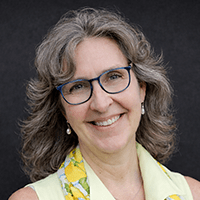
Catherine Mazzola MD, JD
Contact Chairperson
CSNS Chair’s Statement
Advocacy is not optional — it is the calling of every physician who believes patients deserve a voice, fairness, and access to the highest quality care. Through courage, unity, and relentless commitment, we, as members of organized neurosurgery, have the power to shape policy, protect the physician-patient relationship, and secure the future of neurosurgery for generations to come. When we stand together, speak with purpose, and lead with conviction, our voices become a force that transforms healthcare and strengthens the lives of the patients and communities we serve. In neurosurgery, now more than ever, advocacy is necessary.
As physicians and neurosurgeons, we are entrusted not only with the care of our patients, but also with the responsibility to advocate for them when their voices cannot reach the rooms where critical decisions are made. Advocacy is more than politics or policy — it is leadership in action. It requires courage to challenge the status quo, persistence to overcome obstacles, and the conviction to stand firm in defense of patient care, professional integrity, and the future of medicine. Silence is never neutral; when we choose to speak, lead, and engage, we become powerful agents of change for our patients, our colleagues, and our communities.
Throughout the history of organized neurosurgery, generations of dedicated leaders have recognized that progress does not happen by accident. The creation and evolution of the CSNS, the Washington Committee, and the NeurosurgeryPAC, demonstrate what is possible when physicians unite with a common purpose. These efforts were built on the belief that neurosurgeons must have a seat at the table where healthcare policy, reimbursement, access to care, and the future of our profession are being shaped. Our predecessors laid the foundation through service, sacrifice, and vision, and it is now our responsibility to continue building upon that legacy. We need your commitment and we need your participation.
Advocacy demands engagement from all of us. Every conversation, every contribution, every mentorship opportunity, and every effort to educate lawmakers and communities strengthens the voice of neurosurgery. In an increasingly complex healthcare environment, we must continue to champion fair reimbursement, protect the physician-patient relationship, support innovation and research, and ensure that patients maintain access to life-saving neurosurgical care. No effort is too small when the goal is preserving the future of our profession and improving the lives of those we serve. Get involved. Silence in the face of adversity is not an option.